Frequently Asked Questions
The most-asked questions about film directors.
What is a film director and what do they actually do?
A film director is the principal creative leader of a movie, responsible for shaping its visual style, guiding actors' performances, and making final decisions on how the story unfolds on screen. Their role spans pre-production planning, on-set direction, and post-production editing, effectively translating a written script into a finished film.
Who are the most influential film directors in cinema history?
Alfred Hitchcock, Akira Kurosawa, Steven Spielberg, and Stanley Kubrick are frequently cited as directors who fundamentally reshaped storytelling, visual language, and genre conventions. Earlier foundational figures include D.W. Griffith, the Lumière brothers, and the German Expressionist pioneers of the 1920s.
Where should a newcomer begin exploring the world of film directors?
A practical starting point is watching a curated selection of landmark films from different eras and regions, then reading the directors' interviews, autobiographies, or critical essays to understand their creative thinking. Festival retrospectives and well-regarded documentary series also provide accessible context for building a deeper appreciation.
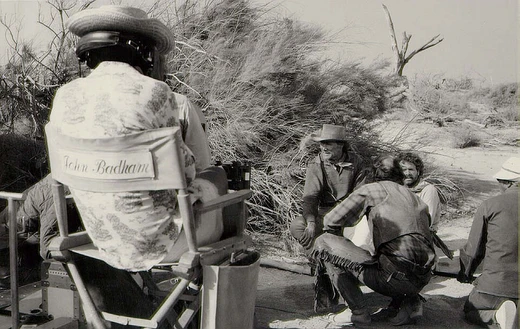
What does a director do day-to-day on a film set?
On set, a director blocks out scenes, coaches and adjusts actors' performances, reviews camera setups with the cinematographer, and makes real-time creative calls about pacing, tone, and composition. They then carry that vision into the editing suite to shape the final cut.
How is a director different from a producer?
A director focuses on the artistic and creative vision of the film, while a producer manages the business dimensions such as financing, scheduling, budgeting, and distribution. In practice the roles often overlap, and a single individual may wear both hats on a given project.
What are some pivotal moments in the history of film directing?
The introduction of the close-up by D.W. Griffith in the 1910s, the Soviet montage experiments of the 1920s, and the French New Wave of the late 1950s each fundamentally altered how directors could construct narrative and meaning. The rise of affordable digital filmmaking in the 2000s further democratized who could direct and distribute a feature-length film.
Which directors hold the record for the most Best Director Oscar wins?
John Ford, Frank Capra, and Steven Spielberg each won the Best Director Academy Award three times, a record that has stood since the 1970s. As of the most recent ceremonies, no director has surpassed that total.
What is auteur theory and why does it matter to film fans?
Auteur theory, popularized by French critics in the 1950s, argues that a director's personal artistic fingerprint is the defining element of a film, much like an author's voice in a novel. It shifted critical and fan attention away from stars and studios toward the director as the primary creative author of a work.
How do most film directors break into the industry?
Many begin as production assistants to established directors, work in adjacent departments like editing or cinematography, or build credibility through short films and student projects at film schools. Networking at festivals and assembling a strong portfolio are common paths toward landing a first feature-length credit.
What are some legendary directorial debuts that redefined cinema?
Stanley Kubrick's Spartacus (1960) and Martin Scorsese's Who's That Knocking at My Door (1967) are often cited as first features that immediately announced a singular, lasting voice. Jordan Peele's Get Out (2017) is frequently mentioned as a modern example of a debut that instantly shifted industry expectations and audience conversations.